Coaching Style: How Leaders Guide Teams in Sports and Beyond
When we talk about coaching style, the way a leader teaches, motivates, and connects with a team. Also known as leadership approach, it isn’t just about drills or tactics—it’s about how people feel when they’re being led. A good coaching style doesn’t shout louder; it listens deeper. It knows when to push and when to hold back. In sports, you see it in how Rulani Mokwena handled his return against Mamelodi Sundowns, or how Diego Simeone turned Atlético Madrid’s defense into a fortress. But this isn’t just a soccer thing. It shows up in classrooms, workplaces, and even in how the IIHF now supports player mental health with helplines and workshops. Coaching style is the invisible thread that holds performance together.
There are different kinds of leadership, the ability to influence others toward a shared goal. Also known as management style, it can be authoritarian, collaborative, or somewhere in between. Think of Lionel Messi’s quiet leadership on the field—he doesn’t need to talk to command respect. Then there’s the hands-on coach who breaks down every pass, like a high school teacher who stays after class. Both work, but only if they match the team’s needs. A team full of young players might need patience and clarity. A group of pros might need trust and space. And when you’re dealing with mental health, like the IIHF’s new support systems, the coaching style shifts from winning to caring. That’s not weakness—it’s wisdom. The best coaches don’t just win games; they build people. That’s why Dončić thrives under pressure, why Heather Knight’s calm 79 led England to the top of the World Cup standings, and why Sadio Mané’s off-field charity work in Senegal speaks louder than any trophy.
What ties all these stories together? It’s not the score. It’s the team dynamics, how individuals interact, communicate, and rely on each other within a group. Also known as group chemistry, it’s what makes a locker room click or crack. A bad coaching style breaks trust. A great one builds it. You can’t fake it. Players know when you’re just going through the motions. They know when you care. That’s why the article on asbestos in kids’ sand isn’t just about safety—it’s about responsibility. The same energy that keeps a team focused on the field is what keeps a community safe off it. The posts you’ll find here don’t just talk about wins and losses. They show how coaching style shapes outcomes in real life—whether it’s a player’s confidence, a team’s resilience, or a whole community’s trust in its leaders. What you’ll read next isn’t just about sports. It’s about people.
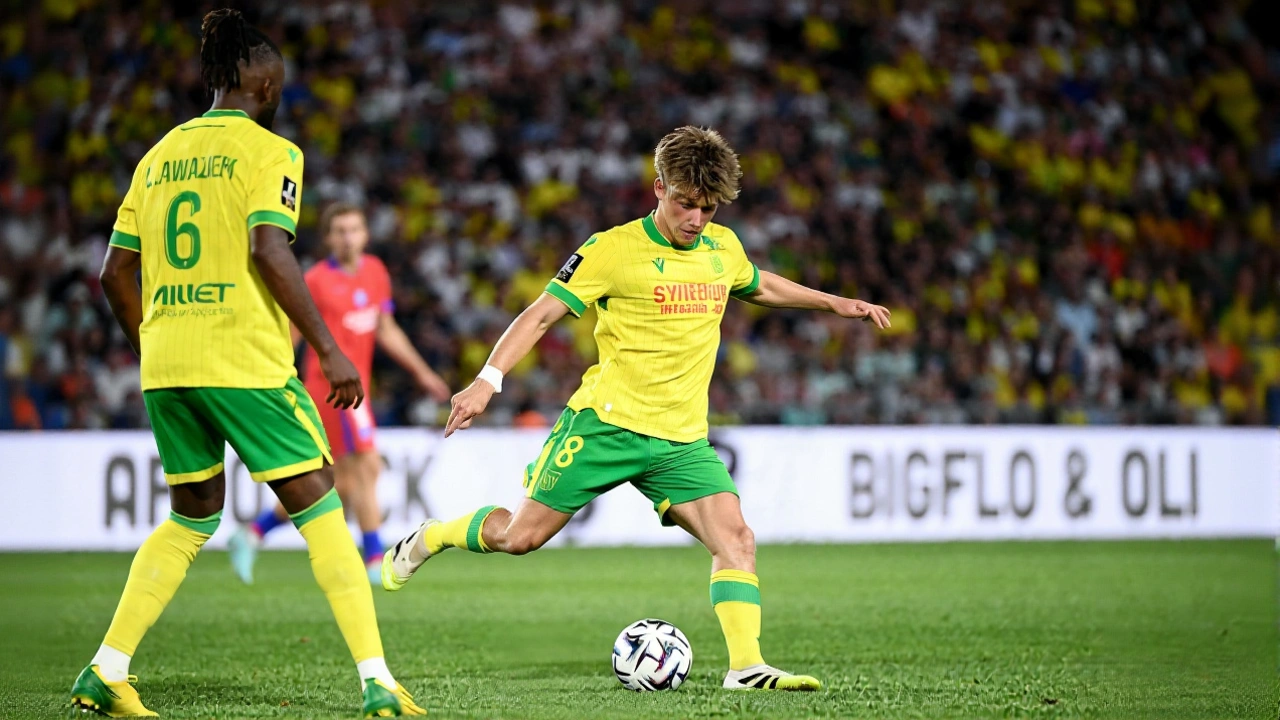
Johann Lepenant recalls Laurent Blanc actively participating in 'toro' drills at Olympique Lyonnais during the 2023-24 season, revealing a rare hands-on coaching style that contrasted with the club’s eventual mid-table finish.
Read More