Football Training: Tips, Drills, and What Pros Really Do
When you think of football training, the structured practice sessions athletes use to build skill, strength, and team chemistry. Also known as soccer drills, it’s not just about kicking a ball—it’s about repetition, timing, and mental focus. Whether you’re a kid on a local pitch or a pro preparing for a Champions League match, the core of football training stays the same: get better every day, no exceptions.
Good football training, the structured practice sessions athletes use to build skill, strength, and team chemistry. Also known as soccer drills, it’s not just about kicking a ball—it’s about repetition, timing, and mental focus. doesn’t mean doing the same thing over and over. It means working on weak spots, like first touch under pressure, or recovery speed after a sprint. Top clubs like Barcelona and Inter Miami don’t just run laps—they run specific patterns that mimic real game situations. Lionel Messi’s record-breaking playoff runs? They didn’t happen by accident. They came from hundreds of hours of targeted player development, the systematic process of improving an athlete’s technical, tactical, and physical abilities over time. Also known as athletic growth, it’s what turns talent into results.. And it’s not just about stars. Even the bench players train like starters because in modern football, every second on the field counts.
What about fitness? You can’t out-skill a fitter opponent. That’s why fitness for football, the combination of endurance, speed, agility, and strength tailored to the demands of the sport. Also known as sport-specific conditioning, it’s the hidden engine behind every great performance. is non-negotiable. Players like Sadio Mané and Vinícius Júnior don’t just rely on natural speed—they train for explosive acceleration, quick directional changes, and recovery between sprints. Coaches use heart rate monitors, GPS trackers, and video analysis to make sure every drill counts. And it’s not just about the body. Mental toughness, decision-making under fatigue, and communication during high-pressure moments are all part of the training plan.
And then there’s the coaching side. A great drill means nothing if it’s not explained clearly. Coaches like Rulani Mokwena and Diego Simeone don’t just shout instructions—they design sessions that solve specific problems. Maybe it’s closing down space against fast wingers, or building pressure after losing the ball. The best coaching methods, the strategies and techniques used by trainers to teach skills, build team dynamics, and improve performance. Also known as tactical instruction, they’re what separate good teams from great ones. are simple, repeatable, and tied directly to what happens in the game.
What you’ll find here aren’t generic tips or flashy YouTube trends. These are real stories from real matches and training grounds—from Barcelona’s technical sessions to the Super Falcons’ relentless prep for WAFCON. You’ll see how training shapes outcomes, how small adjustments lead to big wins, and why the best players never stop learning. No fluff. No guesswork. Just what works.
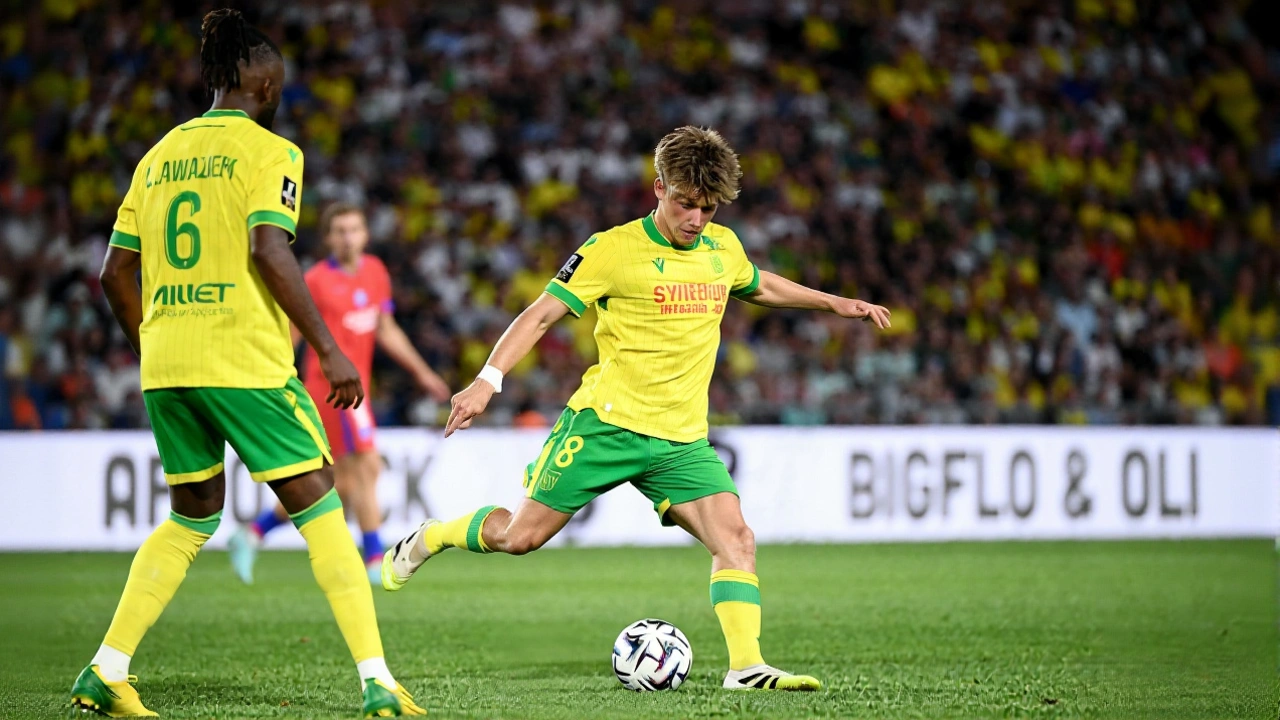
Johann Lepenant recalls Laurent Blanc actively participating in 'toro' drills at Olympique Lyonnais during the 2023-24 season, revealing a rare hands-on coaching style that contrasted with the club’s eventual mid-table finish.
Read More