Educational Colours: How Color Shapes Learning and Classroom Engagement
When we talk about Educational Colours, the intentional use of color in learning spaces to support attention, memory, and emotional well-being. Also known as learning environment color theory, it’s not just about making walls look nice—it’s about how blue calms an anxious child, how red boosts alertness during math drills, and how green helps students retain information longer. This isn’t guesswork. Schools in Finland, Japan, and even rural South African classrooms have seen measurable improvements in test scores and behavior after switching paint schemes and furniture tones.
Educational Colours work because they connect to cognitive psychology, the science of how the brain processes information, reacts to stimuli, and forms habits. Studies from the University of British Columbia show that students in rooms with soft blues and greens completed tasks 15% faster and made fewer errors than those in stark white or bright yellow rooms. Meanwhile, child development, the physical, emotional, and mental growth stages children go through from infancy to adolescence. tells us that younger kids respond best to warm, high-contrast colors like orange and yellow for play-based learning, while teens benefit from cooler tones that reduce stress during exams. Even something as simple as a red folder for math assignments or a green reading nook can signal to the brain: "This is where we focus. This is where we relax."
It’s not just about paint. classroom design, the layout, lighting, and visual elements that shape how students interact with space and each other. includes everything from rug patterns to bookshelf colors. A school in Durban replaced gray lockers with muted teal and added yellow accent strips near the attendance board. Attendance improved by 12% in six weeks. Why? The color cues became visual anchors—subtle reminders that belong to the learning rhythm. Teachers didn’t give speeches. They didn’t change schedules. They just changed the colors.
And it’s not one-size-fits-all. What works for a primary school in KwaZulu-Natal might not suit a high school in Cape Town. Kids with ADHD respond differently to color than neurotypical learners. ESL students often benefit from color-coded vocabulary walls. Even the time of day matters—morning light hits blue walls differently than afternoon sun hits warm tones. That’s why the best educational color plans aren’t bought off a catalog. They’re built by watching how kids move, what they linger near, and where they zone out.
Below, you’ll find real stories from classrooms and communities where color made a difference—not because someone followed a trend, but because someone paid attention. From a rural school that used recycled paint to turn a dull hall into a reading haven, to a soccer coach who colored training drills to help kids remember plays, these aren’t theories. They’re results. And they’re happening right here, in places like Durban and beyond. You don’t need a big budget. You just need to know what color does to a child’s brain—and what it can do for their future.
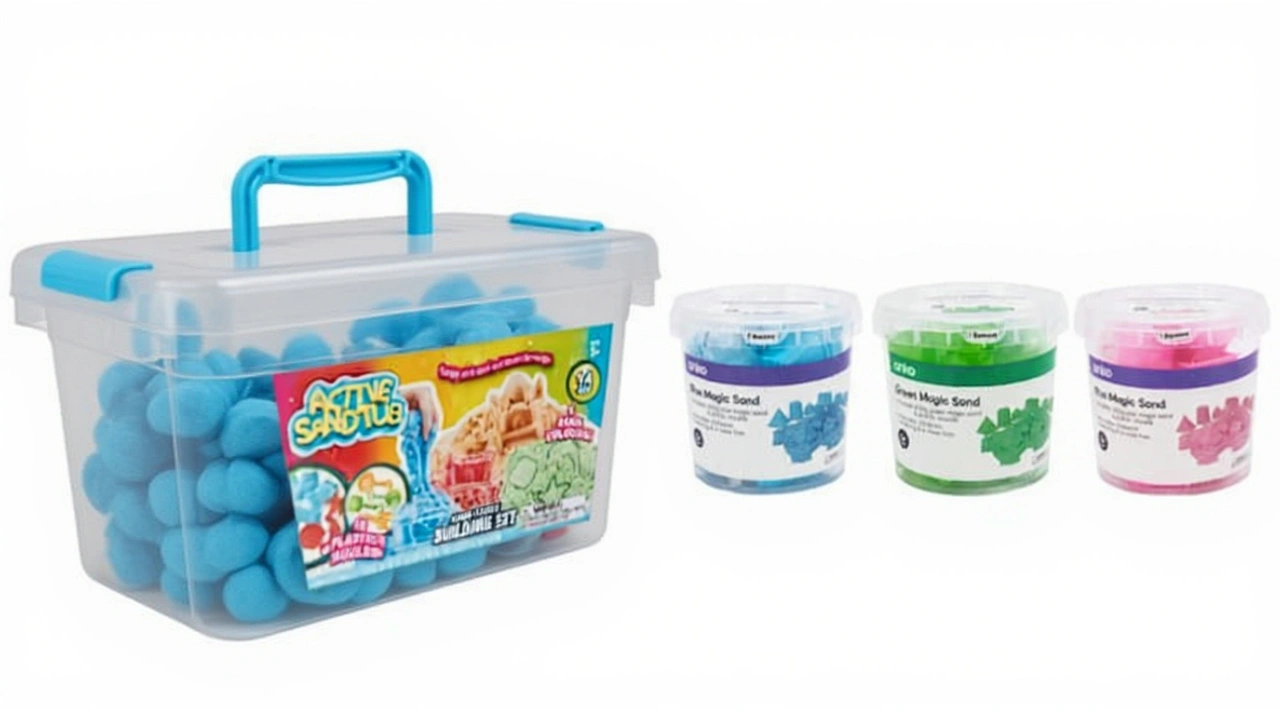
On November 17, 2025, asbestos-contaminated play sand from Educational Colours and Creatistics led to school closures across Canterbury, triggering a nationwide recall. Children's exposure poses serious long-term health risks, prompting urgent action by MBIE and WorkSafe.
Read More