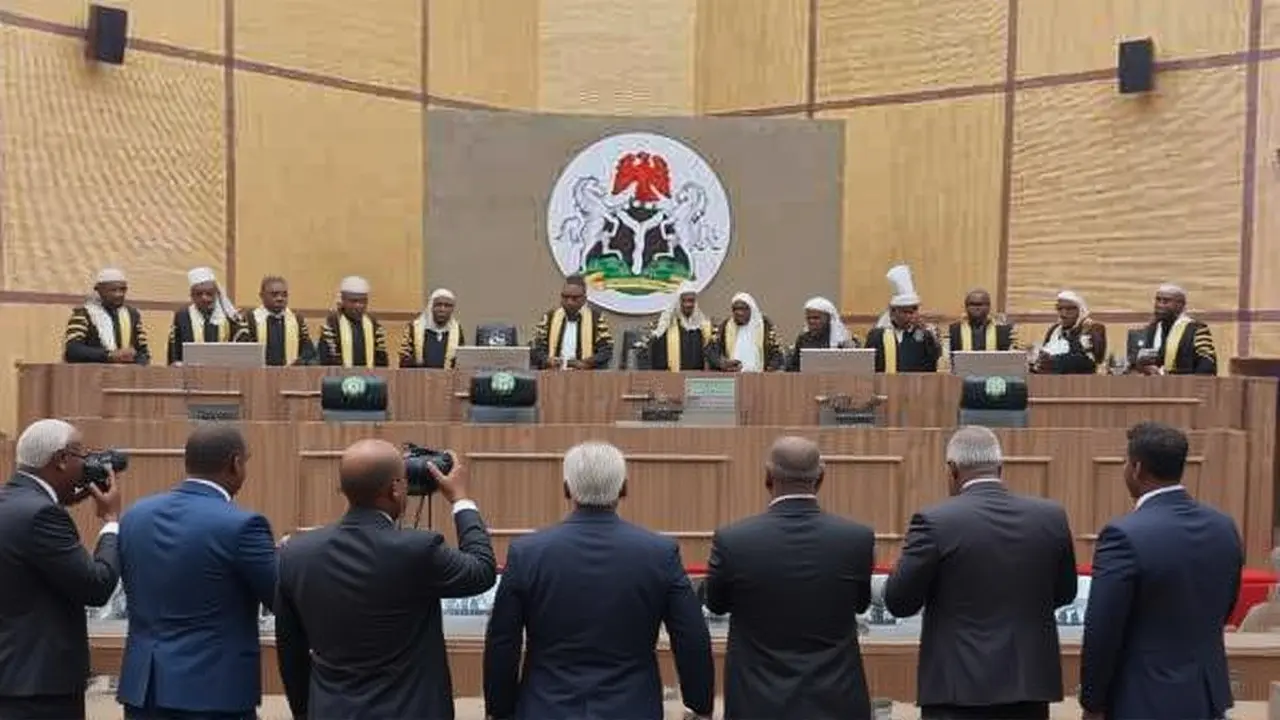
When Emeka Okoyomon, the former Managing Director of the Nigerian Security Printing and Minting Company Plc (NSPM), learned that his legal battles in Nigeria had reached a definitive end, the path to his surrender was suddenly clear. The Supreme Court of Nigeria has granted the Federal Government of Nigeria final authorization to extradite him to the United Kingdom. This ruling effectively closes the domestic judicial chapter on a high-profile corruption case involving alleged bribery linked to currency printing contracts.
The decision means Okoyomon, who has been at the center of intense scrutiny since leaving his post at NSPM, will now face charges across the Atlantic. While specific details regarding the exact timeline of the transfer remain under wraps, the legal green light from Abuja’s highest court signals that diplomatic and logistical preparations are likely already underway between Lagos and London.
A High-Stakes Corruption Case
Here’s the thing: this isn’t just another bureaucratic shuffle. The allegations against Okoyomon touch the very heart of Nigeria’s monetary sovereignty. The core accusation involves bribery connected to lucrative contracts for printing banknotes—a sector where security, precision, and integrity are paramount. If convicted, the implications would ripple far beyond one individual’s career.
Reports suggest the UK authorities have long sought Okoyomon’s presence to answer questions about irregularities in procurement processes during his tenure. The principle of dual criminality applies here; the actions alleged must constitute crimes in both Nigeria and the UK. Bribery and fraud fit squarely into that category. For years, Okoyomon fought the extradition order through various Nigerian courts, arguing procedural flaws and seeking reprieve. But with the Supreme Court’s recent judgment, those avenues have been exhausted.
The Legal Journey to the Top Court
Getting to this point took time. Extradition cases in Nigeria often involve protracted legal maneuvering. Lower courts initially reviewed the validity of the UK’s request, examining whether sufficient evidence existed to justify detention and eventual surrender. At each stage, defense counsel attempted to delay proceedings, citing constitutional protections and demanding rigorous proof of the allegations.
However, the judiciary ultimately sided with the prosecution. The Supreme Court’s ruling indicates that the lower tribunals correctly interpreted the Extradition Act and the bilateral treaty governing relations between Nigeria and the UK. This consistency across judicial levels strengthens the case’s foundation before it even reaches British soil. It also sends a strong message: Nigeria’s top courts are willing to enforce international legal obligations when due process is followed.
Reactions and Implications
Anti-corruption advocates have welcomed the move. "This is a victory for accountability," said one observer familiar with transnational fraud cases. "It shows that no position, no matter how senior, provides immunity from justice when cross-border crimes are involved." Others, however, caution that the real test begins now. Winning an extradition battle is only half the fight; securing a conviction in a foreign jurisdiction requires robust evidence and effective legal strategy.
For the NSPM, the scandal has left lingering questions about internal controls. How did such alleged improprieties go undetected for so long? Were there other officials complicit? These issues may prompt further investigations within Nigeria, even as Okoyomon prepares to leave the country. The state-owned enterprise’s reputation hangs in the balance, dependent on future reforms and transparency measures.
What Happens Next?
Once transferred to the UK, Okoyomon will be detained pending trial. British prosecutors will present their case, relying on financial records, witness testimonies, and documentary evidence gathered over months or possibly years. The trial could take place in London or another major UK city, depending on where the alleged offenses occurred or where witnesses reside.
If found guilty, penalties could include significant prison sentences and asset forfeiture. Given the scale of currency printing contracts, the sums involved are likely substantial. Conversely, if acquitted, Okoyomon might return to Nigeria, though his professional prospects would undoubtedly be diminished. Either way, the outcome will serve as a precedent for similar cases involving African executives accused of corrupt practices abroad.
Background: The Role of NSPM
To understand the gravity of this case, consider the role of the Nigerian Security Printing and Minting Company Plc (NSPM). As the sole entity responsible for producing Nigeria’s currency, NSPM operates under strict security protocols. Any breach of trust within its ranks undermines public confidence in the nation’s money supply. Contracts awarded to private vendors for materials, technology, or services are closely monitored—but not always successfully.
Historically, Nigeria has struggled with corruption in public procurement. From oil deals to infrastructure projects, scandals have plagued successive administrations. The Okoyomon case fits this pattern but adds an international dimension. By pursuing extradition, Nigeria demonstrates a willingness to collaborate with Western partners in combating graft. Whether this marks a turning point remains to be seen.
Frequently Asked Questions
Why was Emeka Okoyomon extradited to the UK?
Okoyomon faces allegations of bribery related to currency printing contracts during his tenure as Managing Director of the Nigerian Security Printing and Minting Company. UK authorities believe he can provide critical testimony and evidence relevant to ongoing investigations into these transactions.
What does the Supreme Court’s ruling mean for Okoyomon?
The ruling confirms that all domestic legal challenges have been resolved in favor of extradition. Okoyomon must now comply with the transfer process and await trial in the UK. He cannot appeal further within Nigeria’s judicial system.
How long might the UK trial take?
Complex fraud cases often span several years. Pre-trial motions, discovery phases, and scheduling delays can extend timelines significantly. Observers estimate the process could last anywhere from two to five years before a verdict is reached.
Will Okoyomon’s assets be seized?
If convicted, UK courts may order asset forfeiture as part of sentencing. Additionally, Nigerian authorities might initiate parallel proceedings to recover illicit gains domestically. Asset recovery efforts typically depend on tracing funds through banking systems and offshore accounts.
Does this affect Nigeria-UK relations?
On the contrary, successful cooperation enhances diplomatic ties. Both nations benefit from shared commitments to fighting corruption. This case exemplifies practical collaboration rather than tension, potentially strengthening future joint initiatives.